
What Actually Makes a Joint “Healthy”?
What makes a joint healthy? It isn't simply the absence of pain. A truly healthy joint needs to move well, handle everyday forces, remain stable, and constantly communicate with your nervous system about where your body is and how it is moving. From cartilage and muscles to ligaments and proprioception, several systems work together every time you take a step, reach overhead, climb stairs, or change direction. Understanding these connections can change the way you think about joint health—and why regular movement and proper care matter even when nothing hurts.

Why Your Reaction Time Changes With Age
As we age, our reaction time naturally changes—but it's not simply because our muscles become slower. Catching your balance, avoiding an obstacle, or reacting quickly in traffic requires a complex conversation between your eyes, brain, spinal cord, nerves, joints, and muscles. In this blog, discover why reaction time changes with age, how your nervous system influences the way you respond to the world around you, and what you can do to keep your movement, coordination, and independence working at their best.

Fall Weather, Back-to-School, and the Rise of Seasonal Illness: Can Chiropractic Care Help?
As fall arrives in Bentonville and kids head back to school, cold and flu season follows close behind. With cooler weather, new routines, and added stress, many families notice more frequent sickness. While chiropractic care isn’t a cure for colds, it can support the nervous system and help the body’s immune response work more effectively. At Dr. Noah Banks’ chiropractic office in Bentonville, we focus on keeping families healthier and more resilient during seasonal changes.

Your Rib Cage Is More Important Than You Realize
Your rib cage does far more than protect your heart and lungs. Every breath you take, every twist of your body, and every movement of your shoulders depends on healthy rib cage and thoracic spine function. In this blog, discover how the rib cage supports your posture, movement, and nervous system, why mobility in this often-overlooked area matters, and how keeping it moving well can benefit your overall health.

How Spinal Discs Stay Healthy Without Their Own Blood Supply
Unlike most tissues in your body, your spinal discs don't have their own direct blood supply. So how do they receive the oxygen and nutrients they need to stay healthy? The answer is surprisingly simple: movement. In this blog, explore the fascinating science behind how your spinal discs are nourished, why regular movement is essential for spinal health, and how keeping your spine moving well supports both your discs and the nervous system that relies on them.

What Happens When Your Body Stops Rotating Normally?
Rotation is a movement you use every day, often without even realizing it. From turning your head while driving to walking, reaching, or playing sports, your body relies on healthy rotational movement to function efficiently. In this blog, learn what happens when that movement becomes restricted, how your body begins to compensate, and why keeping your spine and nervous system moving well is essential for long-term health and mobility.

Your Brain Depends on Movement More Than You Think
Your brain and body are in constant communication, and movement is one of the most important ways they stay connected. Every step, stretch, and turn of your head sends valuable information to your brain, helping it coordinate balance, posture, and overall function. In this blog, discover why movement is essential for a healthy nervous system, how spinal health influences brain-body communication, and why keeping your body moving is one of the best things you can do for your long-term health.

Can Your Pillow Cause Neck Pain?
If you wake up with a stiff neck, headaches, or soreness that seems to improve as the day goes on, your pillow could be playing a role—but it may not be the whole story. In this blog, learn how your sleeping position, pillow support, spinal alignment, and nervous system all work together to influence neck health, and why addressing the root cause is often more effective than simply buying a new pillow.

Why Coordination Declines Before Strength Does
Have you ever felt a little more unsteady or clumsy, even though you still feel strong? Coordination often begins to decline before muscle strength does because it relies on healthy communication between your brain, nervous system, and body. In this blog, learn why coordination matters for everyday movement, what the research says about the brain's role in balance and control, and how supporting your nervous system can help you move with greater confidence at every stage of life.

Can Poor Posture Affect Your Energy?
Feeling tired at the end of the day isn't always just about lack of sleep. The way you sit, stand, and move can influence how hard your muscles have to work and how efficiently your nervous system communicates with the rest of your body. In this blog, learn how poor posture may contribute to fatigue, why movement is essential for lasting energy, and how supporting your spinal health can help you feel and function your best.

Your Feet Are the Foundation of Your Spine
Your feet are the foundation of every step you take, and the way they move can influence the health of your ankles, knees, hips, and spine. When that foundation isn't functioning properly, your body often compensates in ways that can lead to discomfort, poor posture, and altered movement over time. In this blog, we'll explore the connection between your feet, your nervous system, and your spine, and explain why looking at the body as a whole is an important part of helping you move, feel, and function at your best.

Why Your Hands Keep Falling Asleep at Night
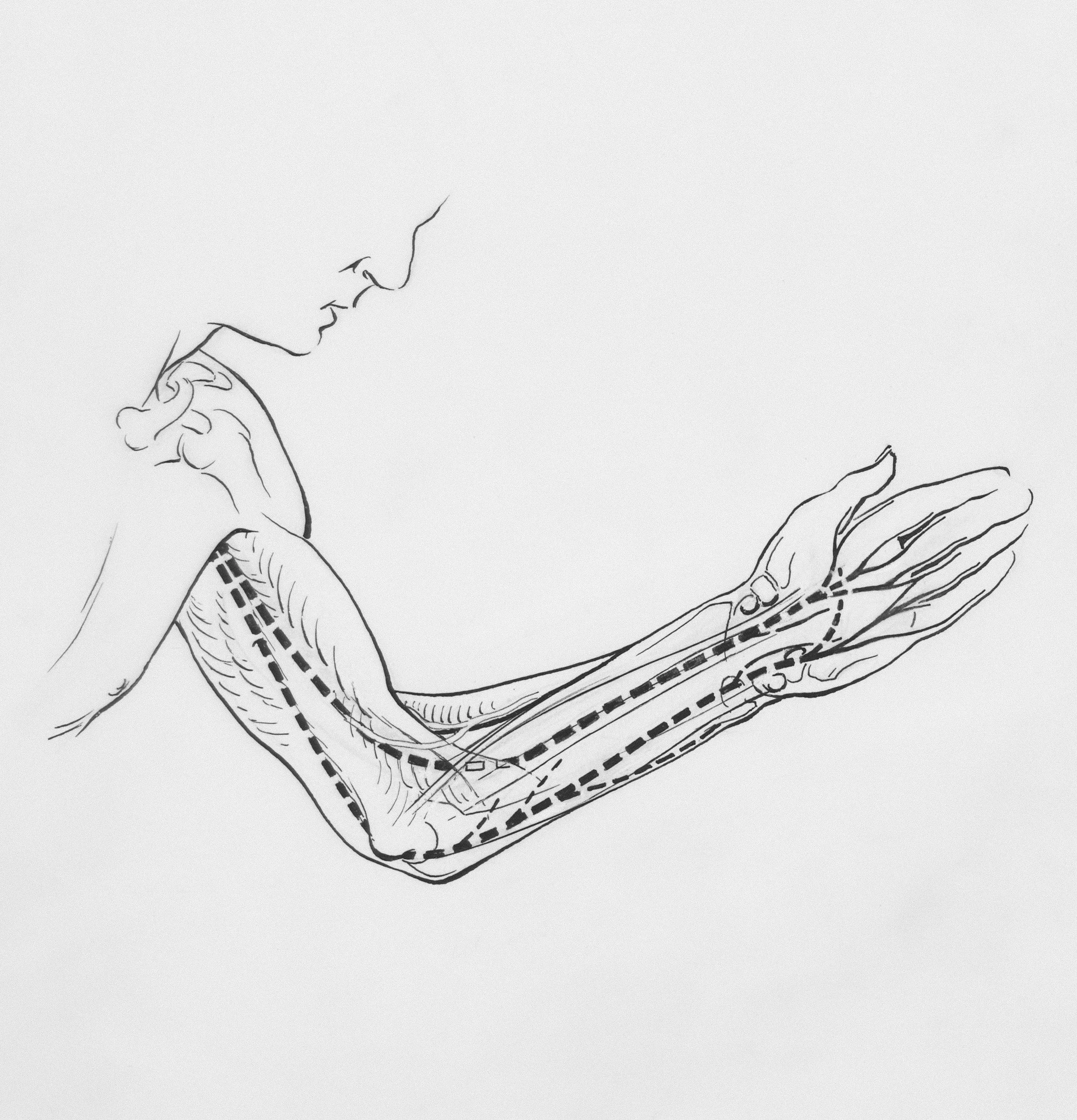
Waking up with numb or tingling hands isn't always just a result of sleeping the wrong way. Learn the common causes of nighttime hand numbness, how your nervous system and spine may play a role, and when it's time to seek evaluation. Discover how Dr. Noah Banks' chiropractic office in Bentonville, Arkansas, takes a whole-body approach to supporting healthy nerve function and lasting relief.

Why Do Some People Feel Worse Before They Feel Better?
Sometimes recovery is not as straightforward as people expect. Whether beginning chiropractic care, improving posture, increasing activity, or addressing long-standing tension, some individuals may experience temporary soreness or stiffness as the body adapts. This article explores why short-term discomfort can happen, how the nervous system plays a role, and what realistic recovery may look like over time.

Your Neck and Jaw Pain May Be Connected
Many people are surprised to learn that neck pain and jaw discomfort often occur together. A sore jaw, tension headaches, clicking while chewing, or stiffness in the neck may seem like separate problems at first, but research suggests these symptoms are frequently connected. Because the neck and jaw share muscles, nerves, and movement patterns, tension or dysfunction in one area may influence the other more than many people realize.

What Causes Muscle Knots? Understanding Why Tight, Tender, Muscles Develop
Most people have experienced the feeling of a painful “muscle knot” at some point—whether it is a tight spot between the shoulders after a long workday, tension in the neck from stress, or soreness in the lower back after physical activity. Muscle knots can feel stiff, tender, and frustrating, especially when they seem to return repeatedly or limit comfortable movement

Why Kids Wake Up With Growing Pains: Understanding What Parents Should Know
Many children wake up at night complaining of aching legs, only to feel perfectly fine the next morning. While commonly called “growing pains,” research suggests these discomfort episodes may be more closely linked to muscle fatigue, activity levels, movement patterns, and nervous system sensitivity than growth itself. This article explores why growing pains happen and how parents can support healthy recovery.

Why Spinal Health Matters for Everyday Life
When people think about spinal health, they often associate it only with back pain. While discomfort in the neck or lower back may be one sign of spinal stress, the spine plays a much larger role in everyday life than many people realize. From movement and posture to nervous system communication, spinal health influences how the body functions on a daily basis

Chiropractic Care and Heart Health: The Connection Between the Spine and Cardiovascular Function
While chiropractic care is not a treatment for heart disease, emerging research suggests that spinal adjustments may influence the autonomic nervous system, which plays a key role in regulating heart rate, blood pressure, and stress response. At Dr. Noah Banks Chiropractic in Bentonville, Arkansas, care focuses on improving spinal alignment and nervous system balance, supporting overall wellness and helping the body better adapt to physical and emotional stressors that can impact cardiovascular function.

Do You Really Need Chiropractic Care Car After an Auto Accident?
Car accidents can cause hidden spinal and soft tissue injuries that don’t always show symptoms right away. Chiropractic care offers a non-invasive approach to identifying and treating these issues early, helping reduce pain, restore mobility, and support proper healing. At Dr. Noah Banks Chiropractic, personalized post-accident care focuses on addressing the root cause of discomfort so patients can recover safely and avoid long-term complications.

Understanding the Connection Between the Nervous System and Hormones
Hormones influence everything from sleep and energy to mood and stress levels, but many people do not realize how closely the nervous system and endocrine system work together. This article explores how chiropractic care may support overall wellness by helping reduce physical stress, improve mobility, and support nervous system function as part of a broader approach to hormonal health.