

Your Brain Depends on Movement More Than You Think
Your brain and body are in constant communication, and movement is one of the most important ways they stay connected. Every step, stretch, and turn of your head sends valuable information to your brain, helping it coordinate balance, posture, and overall function. In this blog, discover why movement is essential for a healthy nervous system, how spinal health influences brain-body communication, and why keeping your body moving is one of the best things you can do for your long-term health.

Can Your Pillow Cause Neck Pain?
If you wake up with a stiff neck, headaches, or soreness that seems to improve as the day goes on, your pillow could be playing a role—but it may not be the whole story. In this blog, learn how your sleeping position, pillow support, spinal alignment, and nervous system all work together to influence neck health, and why addressing the root cause is often more effective than simply buying a new pillow.

Why Coordination Declines Before Strength Does
Have you ever felt a little more unsteady or clumsy, even though you still feel strong? Coordination often begins to decline before muscle strength does because it relies on healthy communication between your brain, nervous system, and body. In this blog, learn why coordination matters for everyday movement, what the research says about the brain's role in balance and control, and how supporting your nervous system can help you move with greater confidence at every stage of life.

Can Poor Posture Affect Your Energy?
Feeling tired at the end of the day isn't always just about lack of sleep. The way you sit, stand, and move can influence how hard your muscles have to work and how efficiently your nervous system communicates with the rest of your body. In this blog, learn how poor posture may contribute to fatigue, why movement is essential for lasting energy, and how supporting your spinal health can help you feel and function your best.
Your Feet Are the Foundation of Your Spine
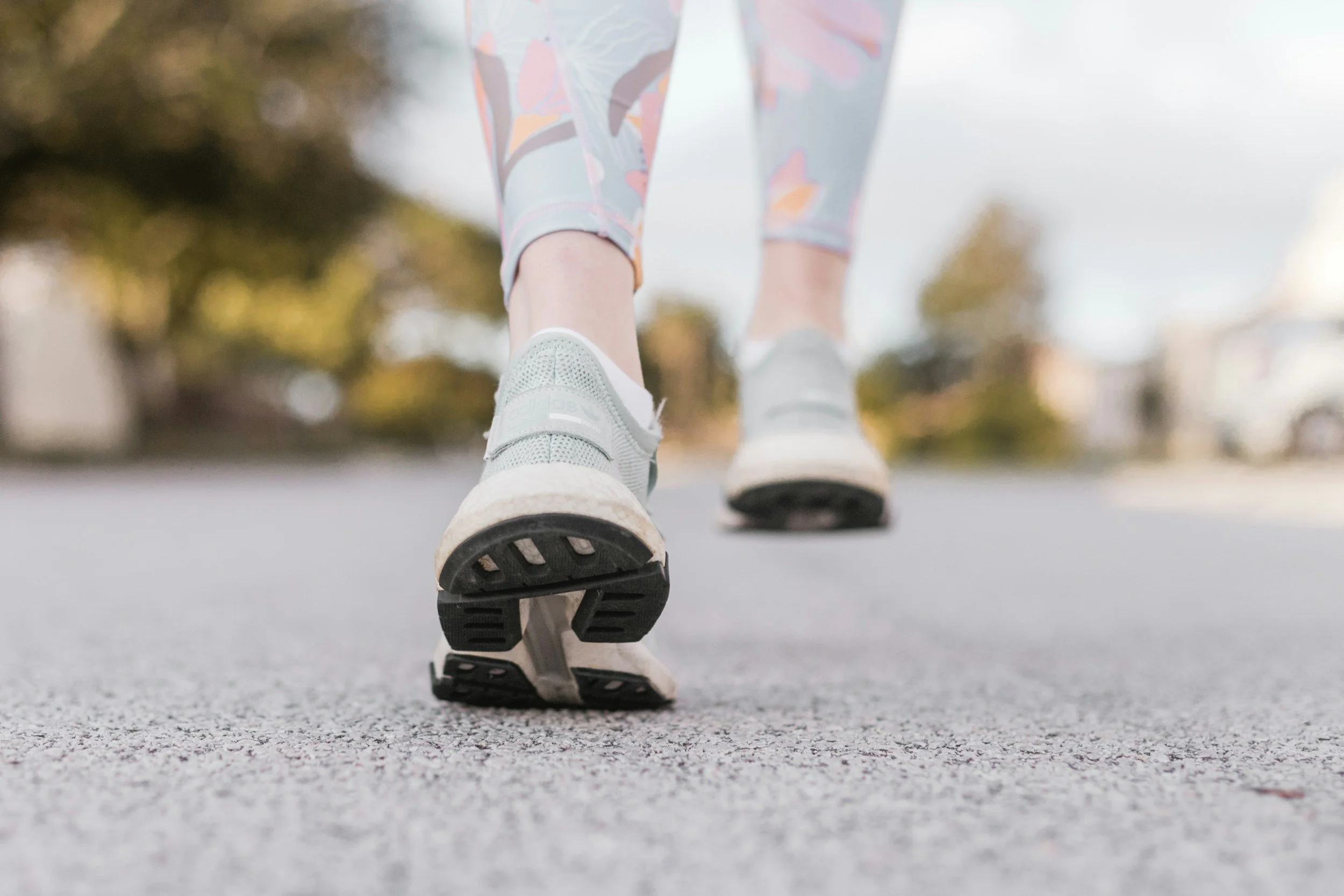
Your feet are the foundation of every step you take, and the way they move can influence the health of your ankles, knees, hips, and spine. When that foundation isn't functioning properly, your body often compensates in ways that can lead to discomfort, poor posture, and altered movement over time. In this blog, we'll explore the connection between your feet, your nervous system, and your spine, and explain why looking at the body as a whole is an important part of helping you move, feel, and function at your best.
Why Your Hands Keep Falling Asleep at Night
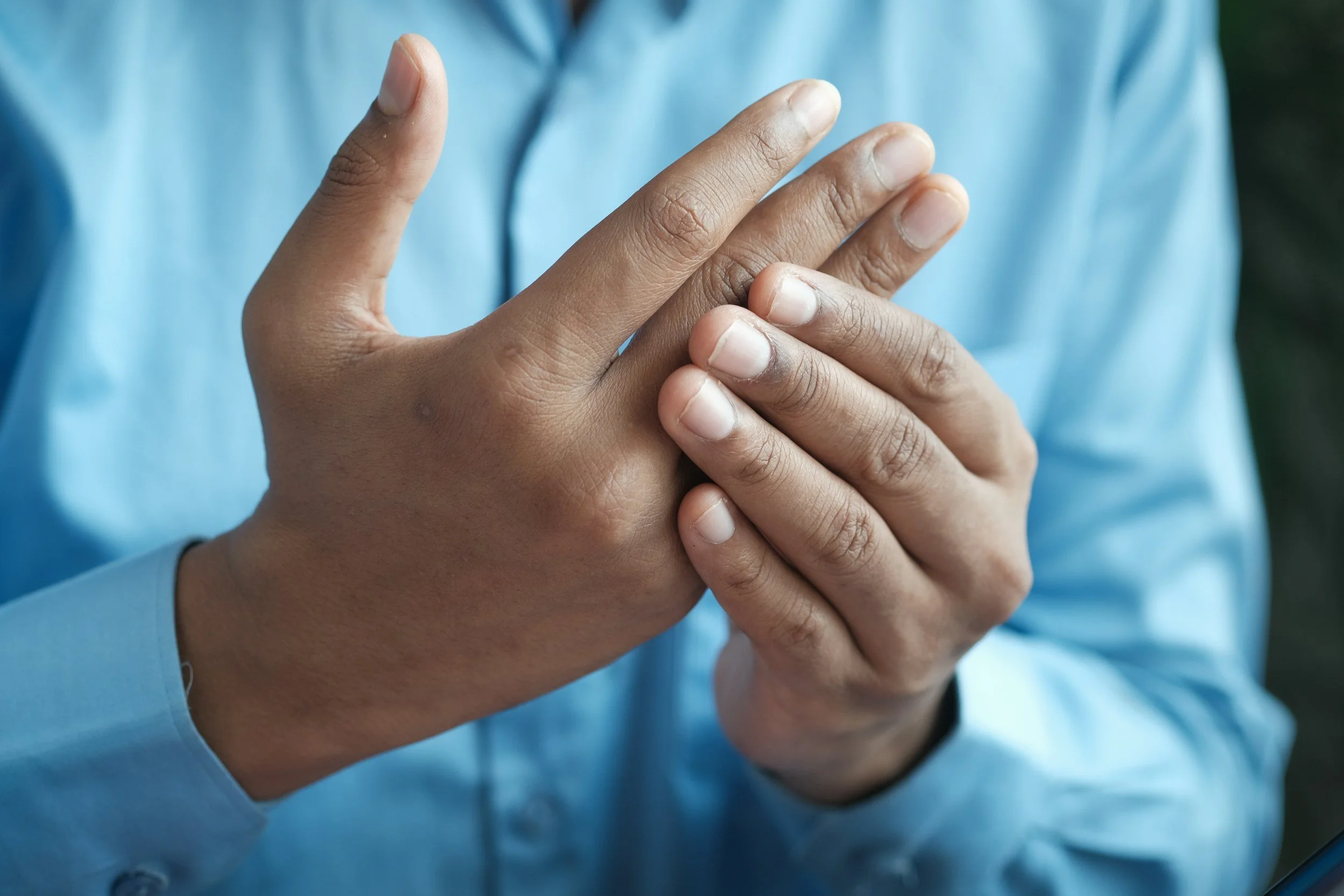
Waking up with numb or tingling hands isn't always just a result of sleeping the wrong way. Learn the common causes of nighttime hand numbness, how your nervous system and spine may play a role, and when it's time to seek evaluation. Discover how Dr. Noah Banks' chiropractic office in Bentonville, Arkansas, takes a whole-body approach to supporting healthy nerve function and lasting relief.
Why Do Some People Feel Worse Before They Feel Better?
Sometimes recovery is not as straightforward as people expect. Whether beginning chiropractic care, improving posture, increasing activity, or addressing long-standing tension, some individuals may experience temporary soreness or stiffness as the body adapts. This article explores why short-term discomfort can happen, how the nervous system plays a role, and what realistic recovery may look like over time.
Your Neck and Jaw Pain May Be Connected
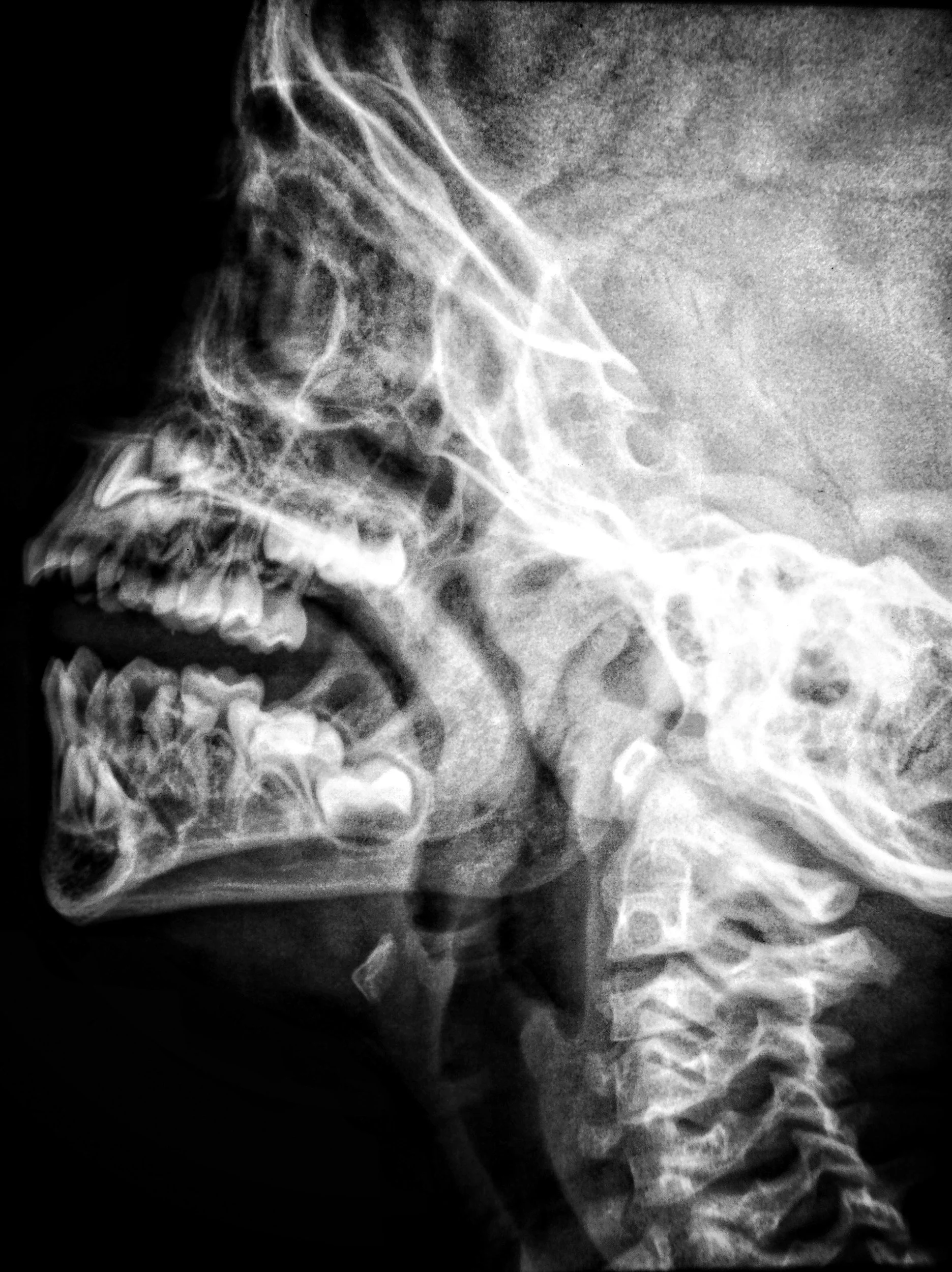
Many people are surprised to learn that neck pain and jaw discomfort often occur together. A sore jaw, tension headaches, clicking while chewing, or stiffness in the neck may seem like separate problems at first, but research suggests these symptoms are frequently connected. Because the neck and jaw share muscles, nerves, and movement patterns, tension or dysfunction in one area may influence the other more than many people realize.
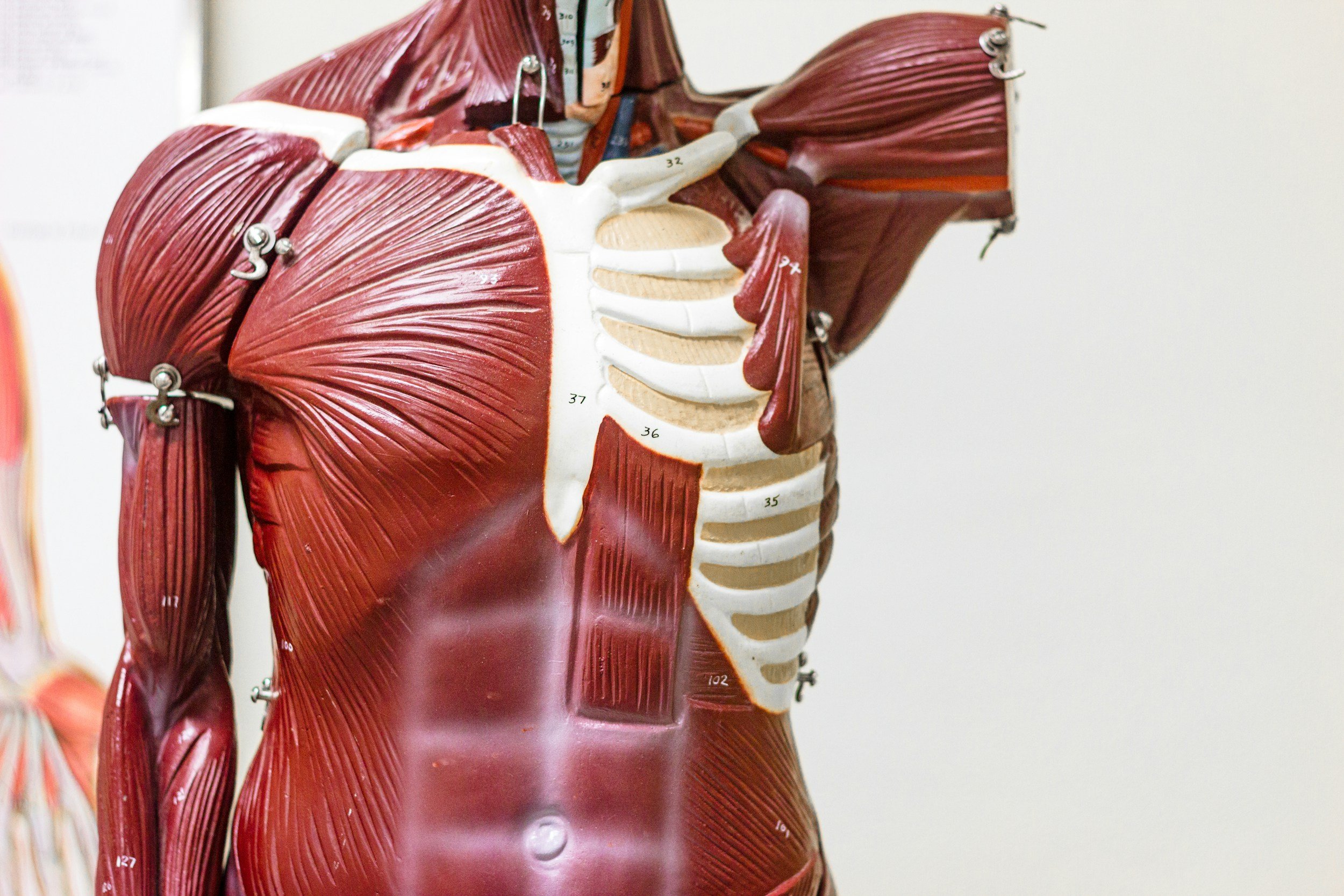
What Causes Muscle Knots? Understanding Why Tight, Tender, Muscles Develop
Most people have experienced the feeling of a painful “muscle knot” at some point—whether it is a tight spot between the shoulders after a long workday, tension in the neck from stress, or soreness in the lower back after physical activity. Muscle knots can feel stiff, tender, and frustrating, especially when they seem to return repeatedly or limit comfortable movement

Why Kids Wake Up With Growing Pains: Understanding What Parents Should Know
Many children wake up at night complaining of aching legs, only to feel perfectly fine the next morning. While commonly called “growing pains,” research suggests these discomfort episodes may be more closely linked to muscle fatigue, activity levels, movement patterns, and nervous system sensitivity than growth itself. This article explores why growing pains happen and how parents can support healthy recovery.
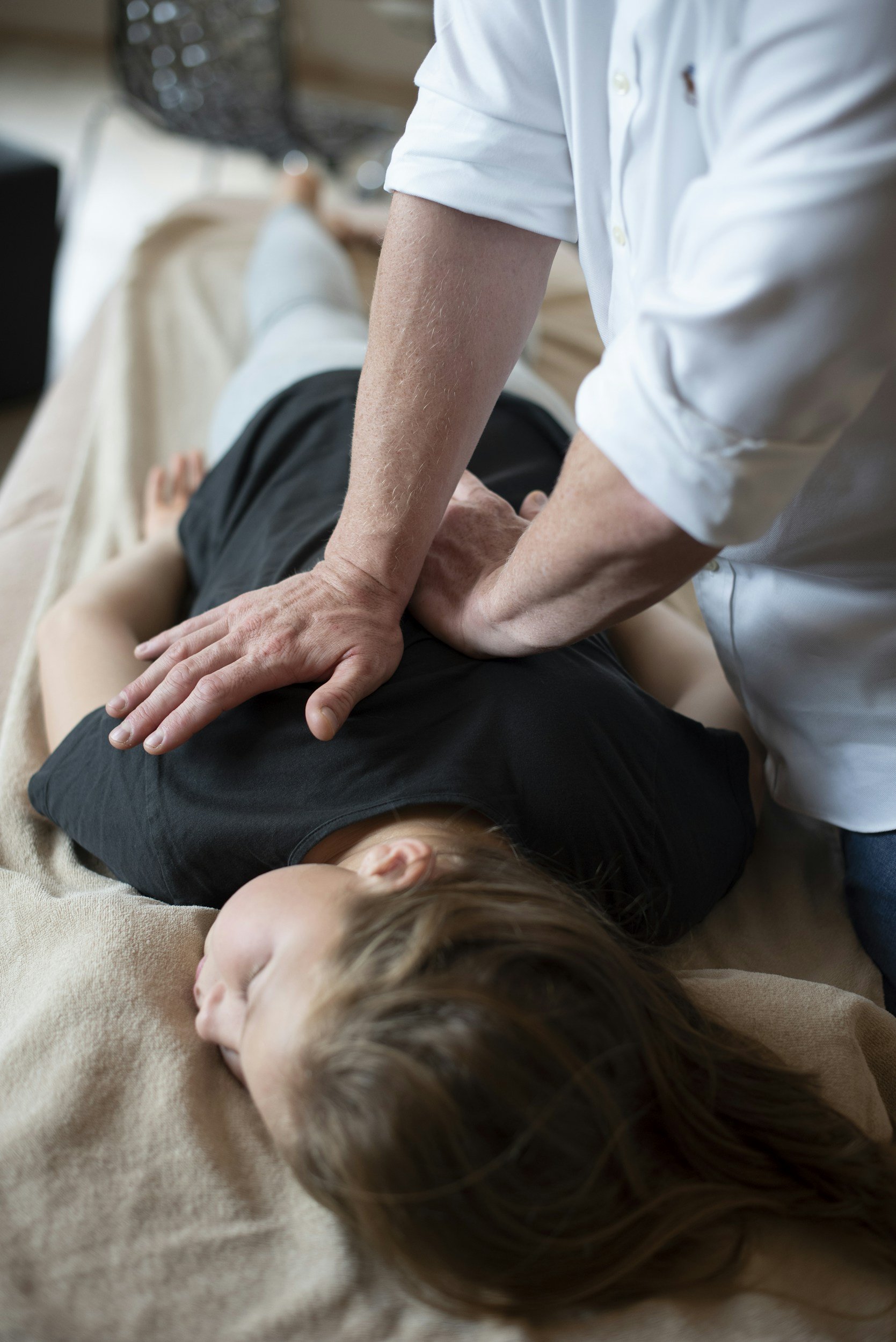
Why Spinal Health Matters for Everyday Life
When people think about spinal health, they often associate it only with back pain. While discomfort in the neck or lower back may be one sign of spinal stress, the spine plays a much larger role in everyday life than many people realize. From movement and posture to nervous system communication, spinal health influences how the body functions on a daily basis
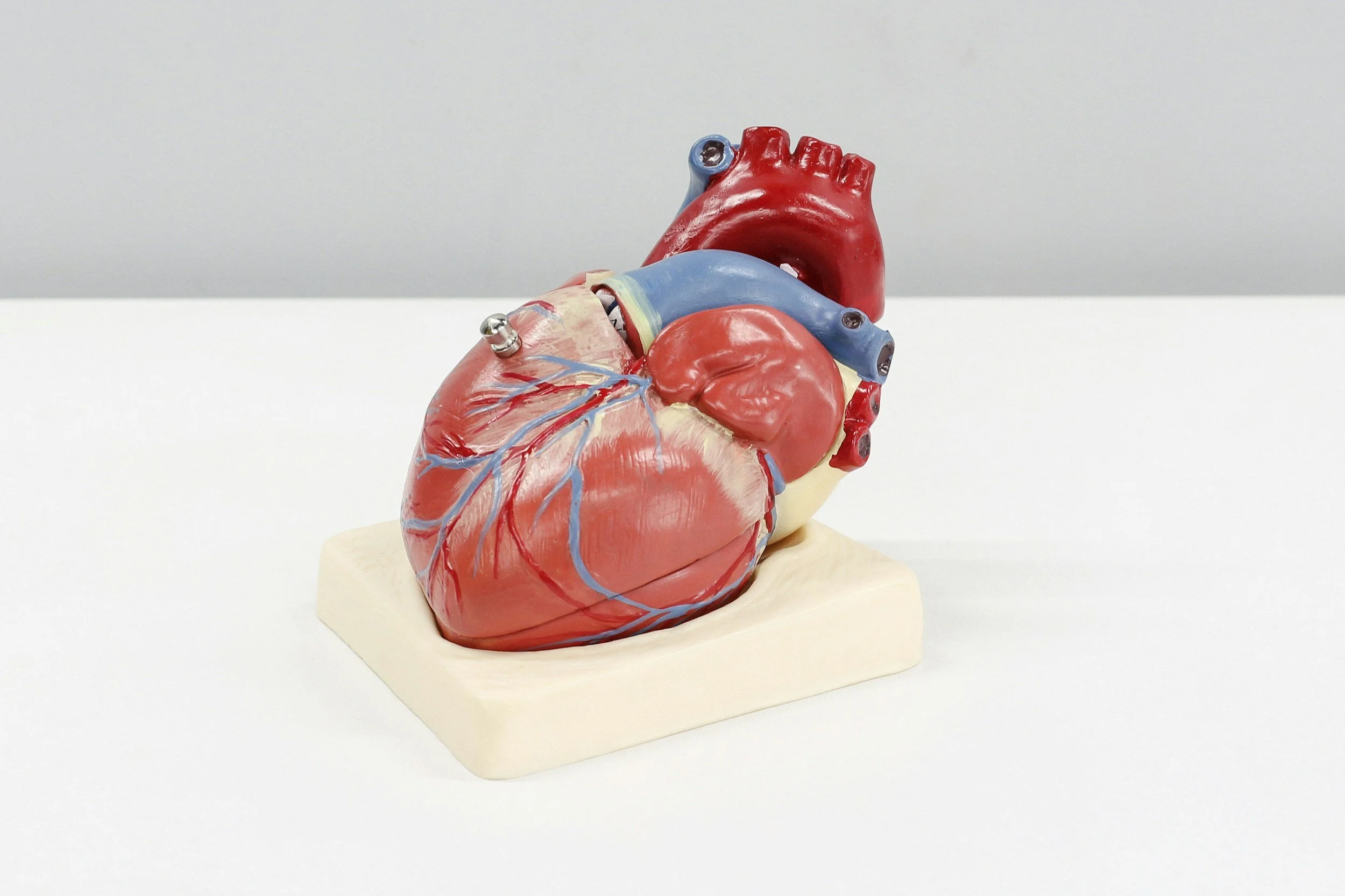
Chiropractic Care and Heart Health: The Connection Between the Spine and Cardiovascular Function
While chiropractic care is not a treatment for heart disease, emerging research suggests that spinal adjustments may influence the autonomic nervous system, which plays a key role in regulating heart rate, blood pressure, and stress response. At Dr. Noah Banks Chiropractic in Bentonville, Arkansas, care focuses on improving spinal alignment and nervous system balance, supporting overall wellness and helping the body better adapt to physical and emotional stressors that can impact cardiovascular function.

Do You Really Need Chiropractic Care Car After an Auto Accident?
Car accidents can cause hidden spinal and soft tissue injuries that don’t always show symptoms right away. Chiropractic care offers a non-invasive approach to identifying and treating these issues early, helping reduce pain, restore mobility, and support proper healing. At Dr. Noah Banks Chiropractic, personalized post-accident care focuses on addressing the root cause of discomfort so patients can recover safely and avoid long-term complications.

Understanding the Connection Between the Nervous System and Hormones
Hormones influence everything from sleep and energy to mood and stress levels, but many people do not realize how closely the nervous system and endocrine system work together. This article explores how chiropractic care may support overall wellness by helping reduce physical stress, improve mobility, and support nervous system function as part of a broader approach to hormonal health.

Vacation Recovery: Why Your Body Feels Tight After Travel
Long car rides, flights, unfamiliar beds, and increased activity levels can all leave the body feeling tight after vacation. This article explores why travel often leads to stiffness in the neck, back, hips, and shoulders, how prolonged sitting and disrupted routines affect recovery, and simple ways to help your body bounce back after returning home.
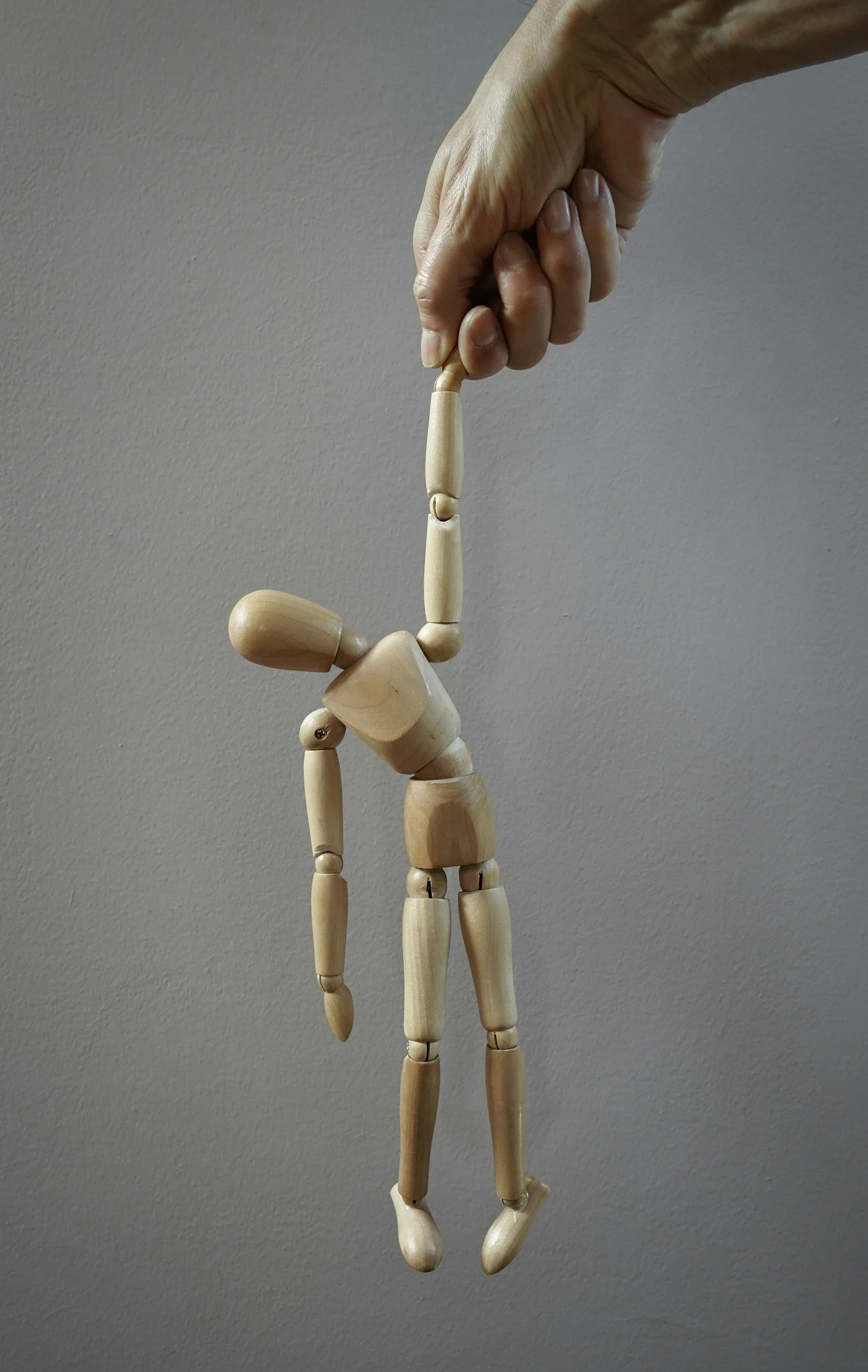
What Happens When Joints Lose Mobility?
Joint mobility affects far more than flexibility—it plays a major role in posture, balance, muscle function, and everyday movement. When joints become stiff or restricted, surrounding areas of the body often compensate, potentially leading to discomfort and altered movement patterns over time. This article explores why joints lose mobility, how it affects the body, and what habits may help support long-term movement and comfort.

Common Causes of Back Pain in NWA Residents: Understanding Why Discomfort Happens
Life in Northwest Arkansas often includes long workdays, outdoor recreation, yard work, and active lifestyles—all of which can affect spinal health. Learn why back pain is so common in Bentonville residents and how posture, repetitive movement, and recovery habits may play a role.

Preventing Injuries During Yard Work Season: How to Protect Your Back and Joints
Yard work may seem like a routine seasonal task, but activities like lifting mulch, raking leaves, and prolonged bending can place significant strain on the back, shoulders, and knees. This article explains why yard work injuries are so common, how proper lifting techniques and warm-ups reduce strain, and what steps can help protect your muscles and joints throughout the season.
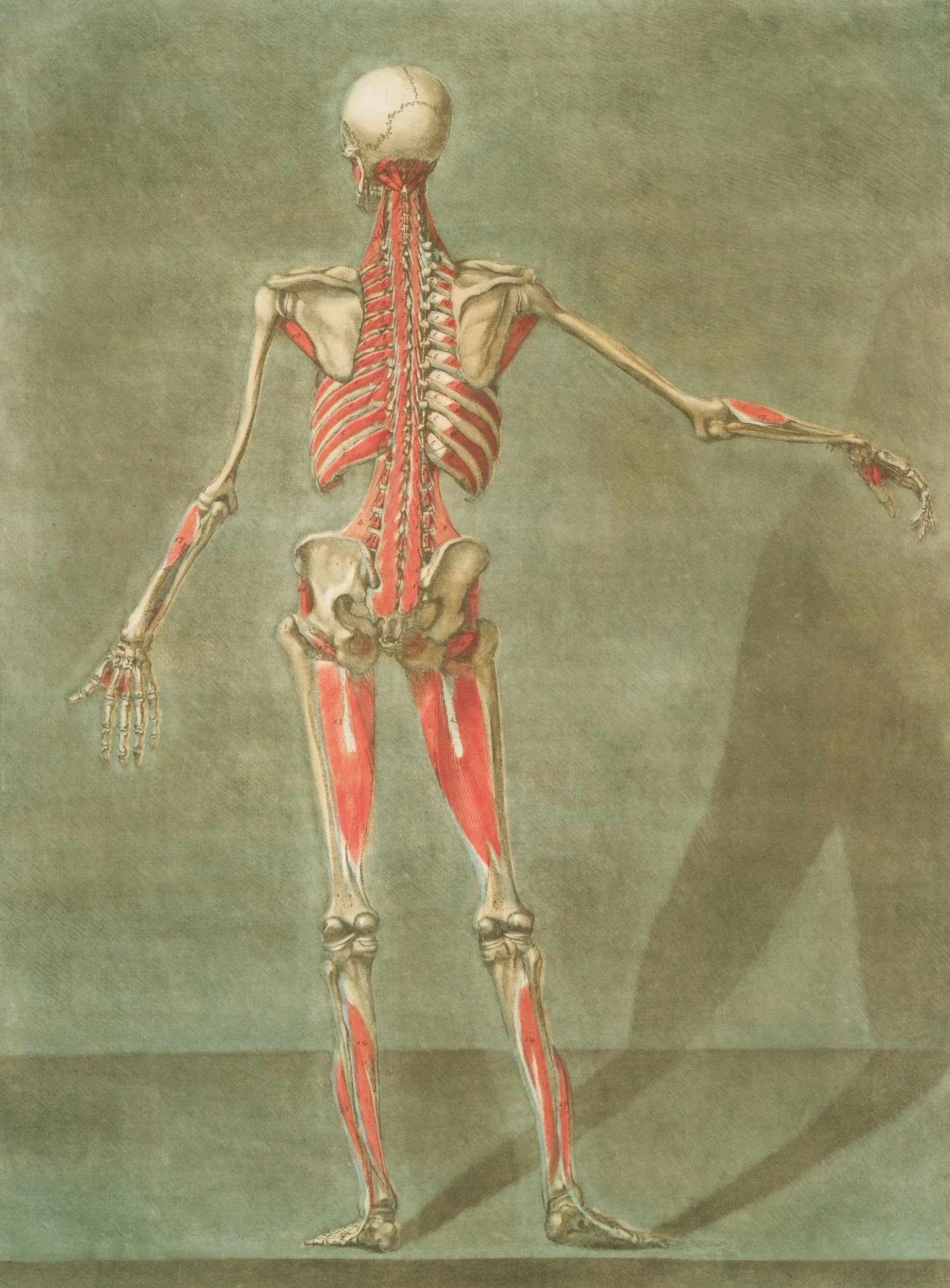
Understanding Sciatica Symptoms: What Causes Sciatic Nerve Pain and How to Recognize It
Sciatica is more than just lower back pain—it involves irritation of the sciatic nerve that can cause sharp, radiating discomfort, numbness, or weakness in the leg. This article explains the common symptoms of sciatica, what causes nerve irritation, and why recognizing early warning signs can help prevent long-term complications and support better mobility.

How Sports Affect Growing Bodies: Understanding the Benefits and Risks for Young Athletes
Sports play an important role in building strength, coordination, and confidence in children and teens, but growing bodies face unique risks such as growth plate injuries, overuse strain, and muscle tightness during growth spurts. This article explains how sports affect developing muscles and joints, the importance of proper recovery, and practical ways to support safe, healthy athletic participation.